Surviving Postpartum Psychosis: Aaisha Alvi’s Story of Advocacy and Healing
- Chelsea Myers
- Sep 23, 2025
- 2 min read

Postpartum psychosis is terrifying, isolating—and treatable.
In this week’s episode of Quiet Connection, author and mental health advocate Aaisha Alvi shares her raw and powerful journey through postpartum psychosis—not once, but twice. Her story is one of unimaginable struggle, misdiagnosis, and ultimately, resilience.
📘 Read Aaisha’s memoir, A Mom Like That (Dundurn Press) 🎧 Or listen to the full conversation on the Quiet Connection Podcast.
What Is Postpartum Psychosis?
Postpartum psychosis (PPP) is a less common but severe perinatal mental health condition that affects 1 to 2 in every 1,000 births. Unlike postpartum depression or anxiety, it can include hallucinations, delusions, paranoia, and thoughts of harming oneself or others.
Aaisha describes the early signs of her first episode: intrusive thoughts, paranoia, and a belief that her newborn wasn’t real. Despite these symptoms, doctors dismissed her concerns.
“I kept going to the doctor, and they kept telling me I was fine,” she shares.
It wasn’t until she had a second episode—this time after a miscarriage—that she was finally diagnosed.

Why Awareness Matters
“Nobody needs to die from this. It’s temporary. It’s treatable,” Aaisha says.
Her advocacy stems from the danger of provider ignorance, which she experienced firsthand. Despite begging for help, she was turned away repeatedly—until a perinatal psychiatrist finally intervened.
She’s now a volunteer with Postpartum Support International and works tirelessly to change the narrative around PPP, particularly in the wake of high-profile tragedies.
Healing Through Helping Others
Aaisha’s story doesn’t stop at survival. One of the most moving moments in the episode is when she shares how helping another woman experiencing psychosis became a catalyst for her own healing.
“I thought I was evil. But when I saw her struggling the same way I had—it clicked. This is an illness. This is not who I am.”
A Memoir That Breaks the Silence
Her memoir, A Mom Like That, is one of the only books that candidly explores the violent command hallucinations some mothers face during PPP—something other memoirs often gloss over.
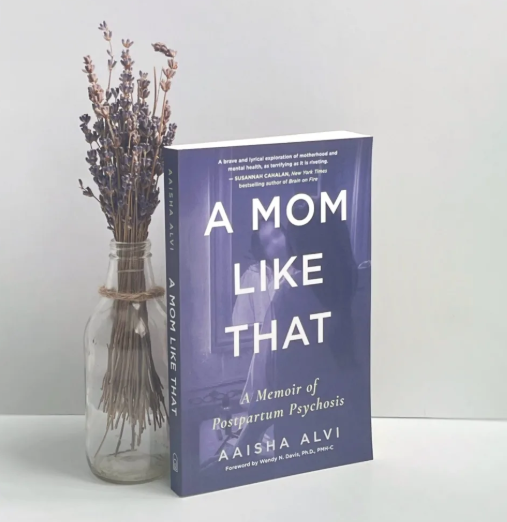
🔗 You can preview the first 5 chapters for free via the link in Aaisha’s Instagram bio
Why This Matters
We must talk about postpartum psychosis—not just when tragedy strikes, but in childbirth education, in postpartum checkups, and in parenting spaces.
“Be prepared, not scared,” Chelsea says. “Postpartum psychosis deserves care, not silence.”
If you or someone you love is struggling with perinatal mental health, visit Postpartum Support International. You are not alone. Help is available.


Comments